ProDentim Review 2026: Does This Oral Probiotic Really Work — Or Is It Just Marketing?


About two years ago, I started noticing something embarrassing: my breath wasn’t great, even after brushing. Not the kind of morning breath that clears up after coffee — it lingered. My gums bled occasionally when I flossed. I’d been to the dentist, gotten the usual advice (brush more, floss more, use an antiseptic mouthwash), and done all of it. The problem persisted.
I went through the usual spiral. I switched toothpastes three times, tried charcoal variants, used alcohol-free mouthwash after reading that alcohol-based ones dry out your mouth. None of it made a meaningful difference. That’s when I started looking into whether there was something going on at a deeper level — specifically, whether the bacterial environment in my mouth was just chronically out of balance.
That search eventually led me to ProDentim. In this ProDentim review, I wanted to determine whether this oral probiotic genuinely improves teeth and gum health or if it’s simply another overhyped supplement. I spent a few months researching it, reading through clinical literature on oral probiotics, and tracking down real user feedback from forums where people weren’t being paid to write nice things. Then I tried it myself.
This ProDentim review is what I actually found — not a summary of the product’s marketing claims.
Why Oral Health Problems Are Getting Worse, Not Better
This might seem like an odd place to start a product review, but bear with me — because understanding why oral problems are increasing in the first place is the only way to understand whether something like ProDentim can actually help.
The World Health Organization has also highlighted the importance of oral health in overall well-being.
Most adults in the US, UK, Australia, and Canada brush twice a day. Dental care is more accessible than it’s ever been. Toothpaste formulations have become more sophisticated. And yet rates of gum disease, cavities, and chronic bad breath remain stubbornly high. The American Dental Association estimates that nearly half of American adults over 30 have some form of gum disease.
The problem isn’t effort — it’s what we’re unknowingly doing to our mouths’ bacterial ecosystems.
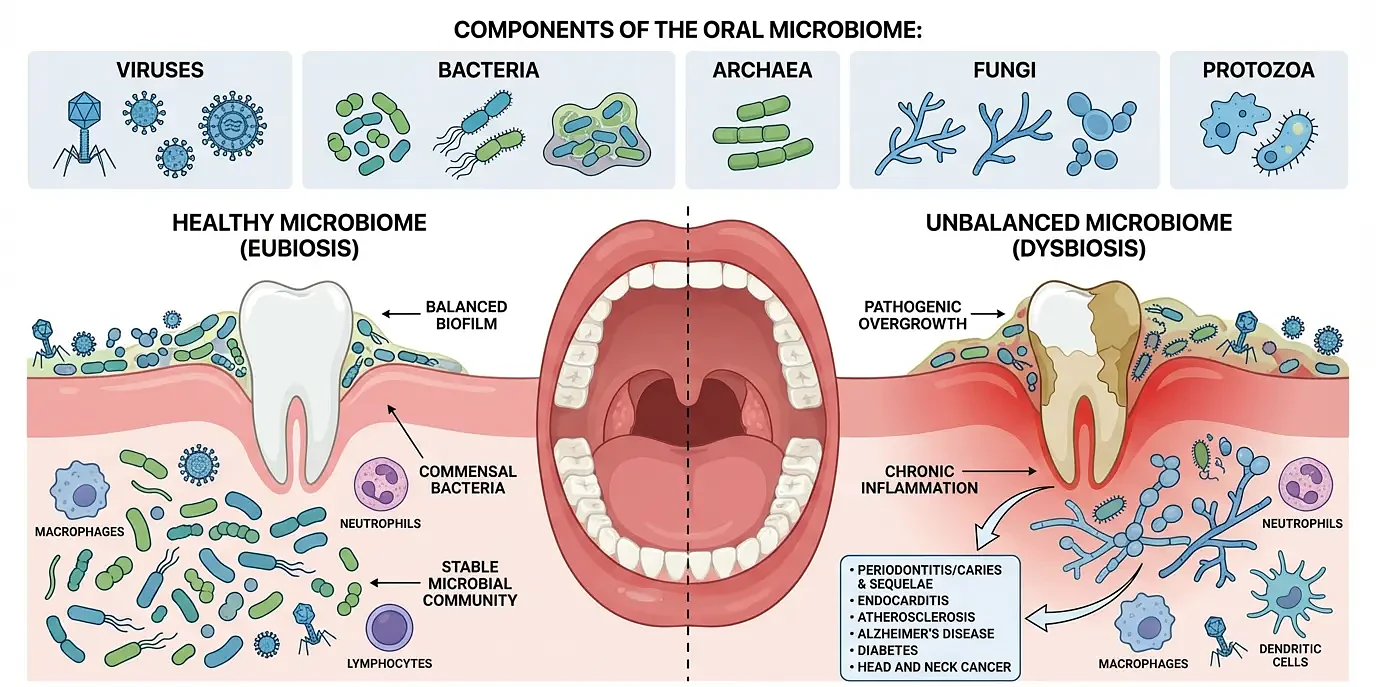
Our modern diet — high in refined sugars and processed foods — actively feeds the harmful bacteria that cause cavities and gum inflammation. At the same time, the antibacterial products we use to fight those bacteria (antiseptic mouthwashes, antibacterial toothpastes) destroy the beneficial strains that protect our teeth and gums. We’re essentially disrupting a carefully evolved ecosystem every single day.
Add to this: high-stress lifestyles (cortisol reduces saliva production, which has natural antimicrobial properties), mouth breathing, dry indoor air from heating and air conditioning — and you have a mouth that’s chronically struggling to maintain its natural defenses.
The Four Most Common Problems — And Why They Keep Coming Back
If any of these sound familiar, you’re not alone:
Persistent Bad Breath
Not morning breath — the kind that doesn’t fully clear up after brushing. Usually caused by sulfur-producing bacteria that colonize the back of the tongue and gum pockets.
Bleeding or Inflamed Gums
Gums that bleed during flossing or brushing are almost always a sign of gingivitis — early gum disease driven by bacterial overgrowth beneath the gum line.
Recurring Cavities
Some people brush diligently and still get cavities at every checkup. This is almost never about brushing technique — it’s about the bacteria population in your mouth.
Tooth Sensitivity
Sharp discomfort from cold drinks or sweets usually indicates enamel erosion — which is accelerated by acid-producing bacteria and acidic foods over time.
Why Standard Oral Hygiene Products Fall Short
Here’s what nobody in the dental hygiene industry wants to admit out loud: most products are designed to remove bacteria, not restore the right ones.
The problem with toothpaste
Most fluoride toothpastes are effective at killing surface bacteria and remineralizing enamel — but they don’t address the bacterial environment. Within an hour of brushing, bacterial populations start rebuilding. And because toothpaste can’t reach subgingival spaces (below the gum line) effectively, the bacteria causing gum inflammation often remain untouched.
The mouthwash paradox
Antiseptic mouthwashes (like chlorhexidine or alcohol-based formulas) are genuinely powerful bactericidal agents. The problem is they don’t discriminate — they kill the beneficial bacteria that would otherwise keep harmful strains in check. Many dentists now recommend using them only for short-term treatment, not as a daily routine, for exactly this reason.
The temporary fix cycle
Breath mints, tongue scrapers, whitening strips — these address symptoms, not the underlying imbalance. The bacteria responsible for bad breath or gum disease are still there, and as soon as the product wears off, they reassert themselves. It’s a loop that most people get stuck in for years.
The actual solution — restoring beneficial bacteria rather than just killing the bad ones — is what oral probiotics are trying to address. Whether ProDentim does this effectively is what we’re getting to.
What Is ProDentim? (Detailed ProDentim Review)
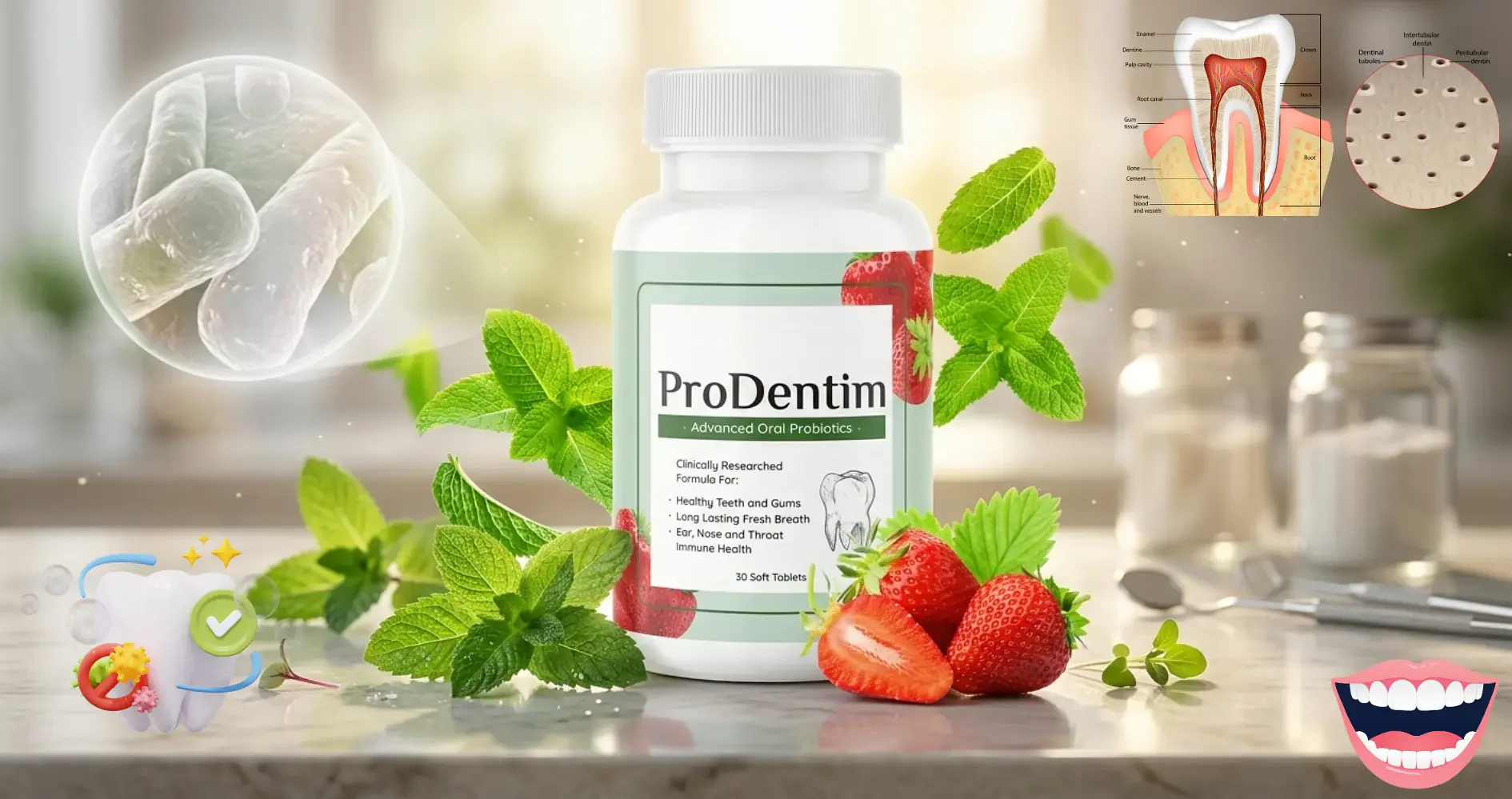
ProDentim is an oral health supplement that comes as a soft dissolvable tablet. Unlike standard supplements that you swallow and process through your digestive system, it’s designed to be dissolved slowly in your mouth — ensuring the active probiotic strains actually reach the oral environment where they’re needed.
Each tablet delivers 3.5 billion colony-forming units (CFUs) from a blend of multiple probiotic strains, alongside prebiotic support and a handful of plant-based ingredients. The formula is manufactured in a GMP-certified facility in the United States.
The core claim is straightforward: by introducing high numbers of beneficial bacteria directly into the mouth, ProDentim aims to rebalance the oral microbiome — gradually crowding out the harmful strains responsible for most common oral health problems.
What makes it different from, say, a gut probiotic supplement is the delivery method. Swallowing a probiotic capsule means most bacteria are destroyed by stomach acid before they can do anything useful for your mouth. Dissolving the tablet in your mouth bypasses that problem entirely.
How ProDentim Works
To understand the mechanism, you need a quick primer on the oral microbiome — the community of microorganisms (mostly bacteria) that live in your mouth.
A healthy oral microbiome contains hundreds of bacterial species in a carefully maintained balance. The beneficial strains produce compounds that suppress harmful bacteria, help neutralize acid, reduce inflammation, and support the immune response in gum tissue. When that balance tips — due to diet, antibacterial products, stress, or other factors — the harmful strains take over, and that’s when problems begin.
ProDentim introduces large numbers of beneficial bacterial strains (primarily Lactobacillus species) directly into this environment. Once present in sufficient numbers, they compete with harmful bacteria for adhesion sites on tooth surfaces and gum tissue — essentially crowding them out. Over time, as the beneficial strains establish and grow, the oral microbiome gradually shifts toward a healthier balance.
This is slow, biological, cumulative work. Which is also why results take weeks rather than days — and why consistency matters more than dose.
The Science Behind Oral Probiotics
The concept of oral probiotics isn’t new — research has been building for over two decades. A number of peer-reviewed studies have examined whether specific Lactobacillus and Bifidobacterium strains can positively influence oral health outcomes, and the results have generally been encouraging, if not uniformly conclusive.
According to research published by the National Institutes of Health, probiotics may play a role in maintaining oral microbiome balance.
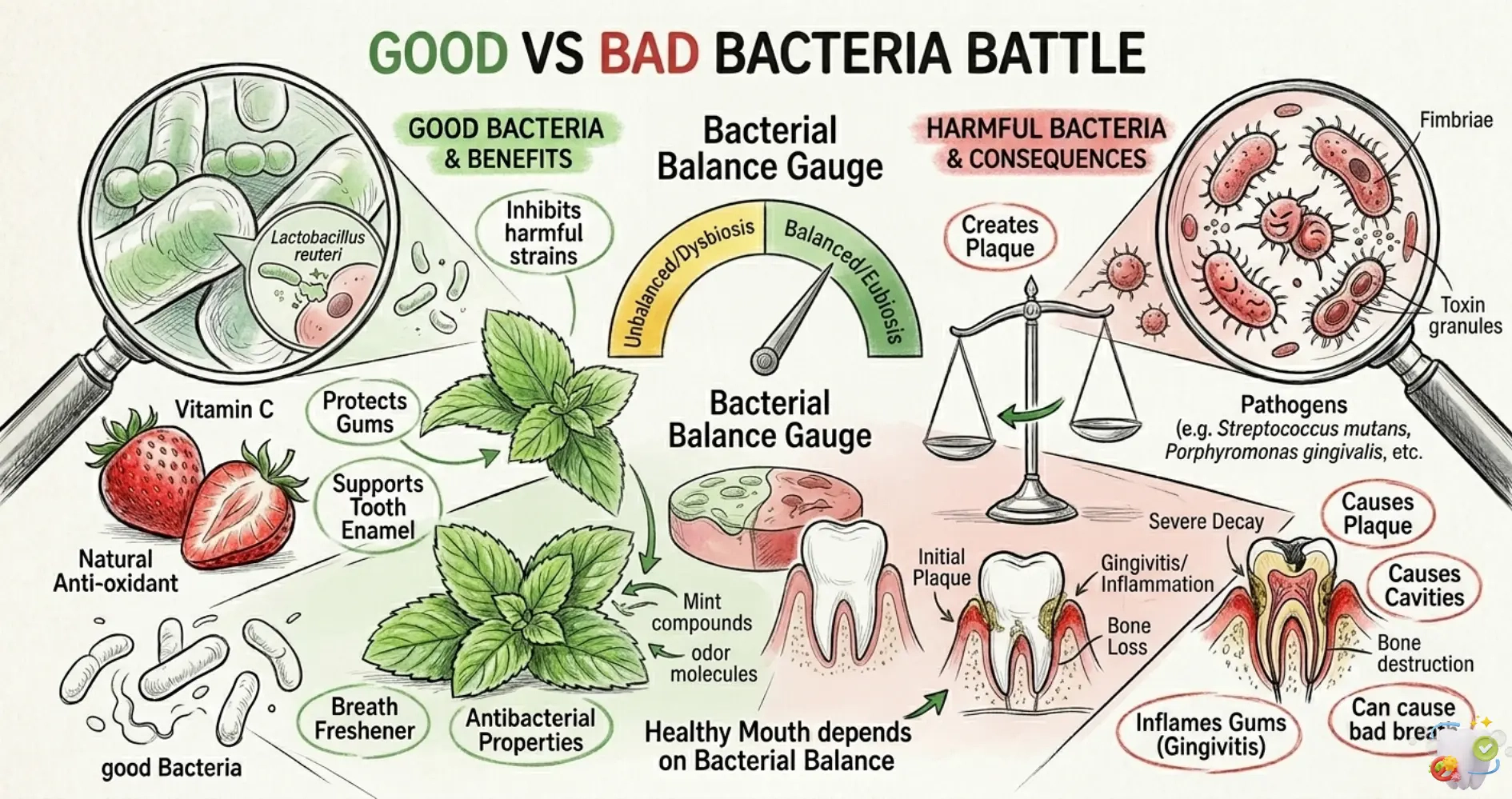
Studies have found that L. reuteri, one of the strains in ProDentim, can reduce the counts of Streptococcus mutans (the primary cavity-causing bacteria) and improve gingival health in human subjects. Research on L. paracasei has shown anti-inflammatory effects in gum tissue and connections to reduced oral pathogen levels.
It’s worth being precise here: most of these studies are small-scale, and “clinically studied strains” doesn’t mean the exact formulation has been through large-scale randomized controlled trials. What it means is that the specific bacterial strains used have legitimate scientific backing, and the theoretical mechanism — restoring microbial balance — is well-grounded in biology.
The honest framing is this: the science supports the concept, and the ingredients are reasonable choices. But oral probiotics as a category are relatively new to the mainstream, and the evidence base, while growing, isn’t yet at the level of a pharmaceutical.
Good bacteria vs bad bacteria — the key concept
Your mouth contains roughly 700 species of bacteria. In a balanced state, beneficial strains dominate and actively protect your oral health — producing hydrogen peroxide (mildly antibacterial), occupying adhesion sites that harmful bacteria would otherwise colonize, and modulating your immune response. When this balance is disrupted, the harmful strains — acid-producing, inflammation-triggering species — move in and set up shop. ProDentim’s goal is to tip this balance back toward the beneficial side.
Ingredient Breakdown — What’s Actually Inside
In this ProDentim review, let me go through the main components and what the research actually says about them:
Supports gum health and has demonstrated anti-inflammatory activity in periodontal tissue. Some research also connects it to sinus health — relevant because the nasal cavity and oral cavity are directly linked. This is one of the better-documented strains for oral applications.
Possibly the most studied oral probiotic strain. Multiple studies have found it reduces S. mutans (a primary cause of cavities), decreases plaque formation, and supports healthier gum tissue. It’s naturally found in healthy mouths but depleted in people who regularly use antiseptic oral products.
A patented, well-characterized strain with documented immune-modulating effects. In the oral context, it’s believed to help maintain microbial balance and support the mucosal immune system. Has also been studied in the context of respiratory health — relevant due to the oral-nasal connection.
Without a prebiotic substrate, introduced probiotic bacteria tend to die off before establishing. Inulin serves as food for the beneficial strains, helping them survive and proliferate in the oral environment long enough to actually shift the microbiome balance. It’s a critical supporting ingredient that’s often overlooked.
Naturally occurring in many fruits. In oral care, malic acid helps with surface staining removal and enamel brightness. It’s a mild acid with a well-established safety record and has been used in dental hygiene products for this purpose.
A calcium compound that supports tooth strength. There’s evidence suggesting that tricalcium phosphate can contribute to enamel remineralization — rebuilding the mineral structure that acid erosion wears away over time. This is the same process targeted by fluoride, through a different mechanism.
Beyond the obvious breath benefit, peppermint has documented antimicrobial properties in peer-reviewed research. It inhibits the growth of several oral pathogens and is one of the more well-studied botanicals in oral care applications.
What Benefits to Realistically Expect
Based on this ProDentim review, the research and the pattern of user reports suggest: here’s what ProDentim is likely to deliver — stated honestly, without the marketing gloss:
- Fresher breath that lasts longer — not a temporary mask, but a genuine reduction in the sulfur-producing bacteria responsible for bad breath.
- Reduced gum bleeding — this was the most consistently reported benefit in user accounts, typically appearing after 3–6 weeks of use.
- Gradual improvement in tooth sensitivity — likely due to the calcium phosphate supporting enamel remineralization over time.
- Cleaner-feeling mouth — many users describe a persistent “freshly brushed” feeling throughout the day.
- Potentially fewer cavities at dental checkups — this is a longer-term outcome (3+ months) and harder to attribute definitively, but it appears in user reports.
- Reduced gum soreness and redness — consistent with the anti-inflammatory action of the probiotic strains.
What it won’t do: reverse advanced gum disease, repair existing cavities, or substitute for professional dental care. If you have a diagnosed periodontal condition, speak to your dentist before adding any supplement to your routine.
How ProDentim Compares to Other Options
| Feature | ProDentim | Toothpaste | Antiseptic Mouthwash | Other Supplements |
|---|---|---|---|---|
| Restores beneficial bacteria | ✓ Yes | ✗ No | ✗ No — kills all bacteria | ~ Varies |
| Targets root cause of bad breath | ✓ Yes | ~ Partial | ~ Temporarily | ~ Varies |
| Supports gum health | ✓ Yes | ~ Limited | ~ Short-term | ~ Varies |
| Enamel remineralization | ✓ Yes | ✓ (fluoride) | ✗ No | ✗ Usually not |
| No harsh chemicals | ✓ Yes | ✗ No | ✗ No | ~ Varies |
| Daily time commitment | ~2 min (dissolve tablet) | ~2 min (brushing) | ~1 min (rinsing) | ~1 min (swallowing) |
| Approximate daily cost (USD) | ~$2.00–2.50 | ~$0.30–0.60 | ~$0.40–0.80 | ~$0.80–2.00 |
What People Typically Notice After a Few Weeks

I went through a significant number of user accounts posted on health forums, Reddit threads, and product review aggregators. I was specifically looking for patterns in what people reported — not individual outliers in either direction.
Here’s what the consistent pattern looks like for people who stick with it:
Early stage: subtle changes
Most people notice fresher breath that holds longer through the day. Some report a slightly different texture to their mouth — less plaque buildup by evening. Nothing dramatic at this stage.
Mid stage: gum changes start
Gum bleeding during flossing starts to reduce for a significant portion of users. Some report less sensitivity to cold drinks. This is when most people who were skeptical start to take it more seriously.
Later stage: more noticeable improvements
By this point, most consistent users report a clear improvement in gum firmness and breath quality. Some describe their dentist asking what changed in their routine at their next checkup — which is a reliable signal that something real is happening.
Long-term: maintenance and consolidation
Long-term users tend to report sustained improvement without the “crash” that happens when you stop using mouthwash. The microbiome, once rebalanced, appears to hold better — though results vary significantly between individuals.
Is ProDentim Safe?

Based on everything I looked into, yes — ProDentim appears to be safe for most healthy adults when used as directed.
The relevant safety information:
- The probiotic strains used are well-characterized. They’re not experimental organisms — they’re strains that have been studied in clinical settings and have established safety profiles.
- Manufactured in a GMP-certified facility. Good Manufacturing Practice certification means there’s regulatory oversight over production quality, purity, and consistency.
- Non-GMO, stimulant-free, and free from common allergens (gluten-free, dairy-free). The ingredient list is notably clean.
- Not classified as a drug. It’s a dietary supplement, which comes with a lower regulatory burden but also means you’re relying more on the manufacturer’s quality controls.
- No significant side effects widely reported. A small number of users report mild digestive changes in the first week — this typically resolves as the body adjusts to the live cultures.
Who should check with a doctor first
People who are immunocompromised, pregnant or breastfeeding women, and anyone on immunosuppressive medications should consult a physician before adding any probiotic supplement to their routine. This isn’t specific to ProDentim — it’s standard guidance for any product containing live bacterial cultures.
How to Use ProDentim
The instructions are simple, but the “how” matters more than it might seem with this type of product:
- Take one tablet in the morning, after brushing. Starting with a relatively clean oral environment means the beneficial bacteria don’t have to compete as hard for adhesion sites immediately.
- Let it dissolve slowly on your tongue — don’t chew it. This is the step most people get wrong. The whole point is that the probiotics distribute across your oral cavity as the tablet dissolves. Chewing it quickly and swallowing defeats the purpose.
- One tablet per day, consistently. Don’t double up thinking it’ll speed results — the formula is designed for once-daily use. Consistency matters far more than dose.
- Give it at least 6–8 weeks before drawing conclusions. Microbiome shifts happen slowly. Judging at two weeks is like stopping a course of antibiotics because you feel slightly better on day three.
- Continue your normal oral hygiene routine. ProDentim works alongside brushing and flossing, not instead of them.
If you want to check pricing or order details, the official website is the only authorized seller:
Visit the official ProDentim page →ProDentim Review FAQ – Frequently Asked Questions
The concept behind it — restoring beneficial oral bacteria — is supported by legitimate research. Whether this specific product works will depend on your individual oral microbiome, consistency of use, and what underlying issues you’re dealing with. The evidence base for oral probiotics generally is real, though not as deep as some other categories of health supplements. For most people who stick with it for 6–8 weeks, there’s a measurable change. For some, there isn’t. That’s why the 60-day guarantee matters.
Most people notice fresher breath within 1–2 weeks. More meaningful changes — reduced gum bleeding, improved sensitivity — typically start showing at weeks 4–6. For the kind of results that show up at dental checkups, expect 3+ months. This is a slow, cumulative process by nature.
Yes — and you should. ProDentim is a complement to regular oral hygiene, not a substitute. It adds something that brushing and flossing can’t: beneficial bacteria. Use it after your morning brush.
Yes, the official website ships internationally — including to Canada, Australia, the UK, and many other countries. Delivery times and shipping costs vary by location. Only buy through the official website; there are counterfeit products circulating on third-party marketplaces, and they won’t be covered by the money-back guarantee.
No significant side effects have been commonly reported. A small number of users note mild digestive changes in the first week — this is typical with any probiotic supplement and generally resolves on its own. It’s not a drug and doesn’t contain stimulants or harsh chemicals.
ProDentim offers a 60-day money-back guarantee through the official website. If you’re not satisfied for any reason, you can request a full refund. Check the current terms on the official page before purchasing, as policies can change.
ProDentim is sold exclusively through its official website. This is partly to control quality (live probiotic products need to be stored and handled correctly) and partly to prevent counterfeits. Products sold under the ProDentim name on Amazon or other third-party marketplaces are not authorized and can’t be verified for authenticity.
This is a reasonable question. Antiseptic mouthwashes (particularly alcohol-based or chlorhexidine formulas) can kill the probiotic bacteria you’re trying to introduce. If you use mouthwash daily, consider whether you actually need it, or switch to a non-antiseptic formula. That said, the instructions don’t explicitly require stopping mouthwash — use your judgment based on what’s working for you.
Final Verdict

Final ProDentim review verdict: this supplement offers a legitimate oral probiotic approach for users seeking better gum and teeth support.
It’s not a miracle product. It won’t undo years of dental damage or replace professional care. But for people who’ve been frustrated by recurring bad breath, sensitive teeth, or gum issues despite conscientious brushing and flossing — it addresses a layer of the problem that toothpaste and mouthwash simply can’t reach.
The 60-day money-back guarantee makes it a relatively low-risk thing to try. If you’re in the camp of people who brush well, visit the dentist regularly, and still feel like your oral health isn’t quite where it should be — ProDentim is worth serious consideration.
Visit the official ProDentim website →Results vary between individuals. This article does not constitute medical advice. Consult your dentist if you have specific oral health concerns.